
Key Takeaways:
- Index funds remain one of the most reliable ways to build long-term wealth in South Africa.
- Low fees and diversification help investors maximise returns and reduce investment risk.
- Consistent investing often delivers better results than trying to time the market.
- Index funds provide broad market exposure without the complexity of stock picking.
- A diversified portfolio can strengthen the long-term benefits of index fund investing.
- Successful investing depends on patience, discipline, and a long-term perspective.
Building Long-Term Wealth with Index Funds in South Africa
When it comes to investing in South Africa, few strategies have attracted as much attention over the past decade as index fund investing. Known for their simplicity, low costs, and broad market exposure, index funds have become a popular choice for both beginner and experienced investors looking to grow their wealth steadily over time.
Because index funds are typically designed to track the performance of a market or sector rather than chase short-term gains, they are often best suited to investors with a long-term investing mindset. Over time, this approach can help smooth out market fluctuations and support disciplined wealth building.
But with market volatility, economic uncertainty, and changing investment trends, many investors are asking an important question: Are index funds in South Africa still a good long-term investment choice?
The short answer is yes. For many investors, index funds remain one of the most effective tools for building long-term wealth.
However, understanding their advantages, limitations, and role within a broader investment portfolio is essential before making any investment decisions.
What Are Index Funds?
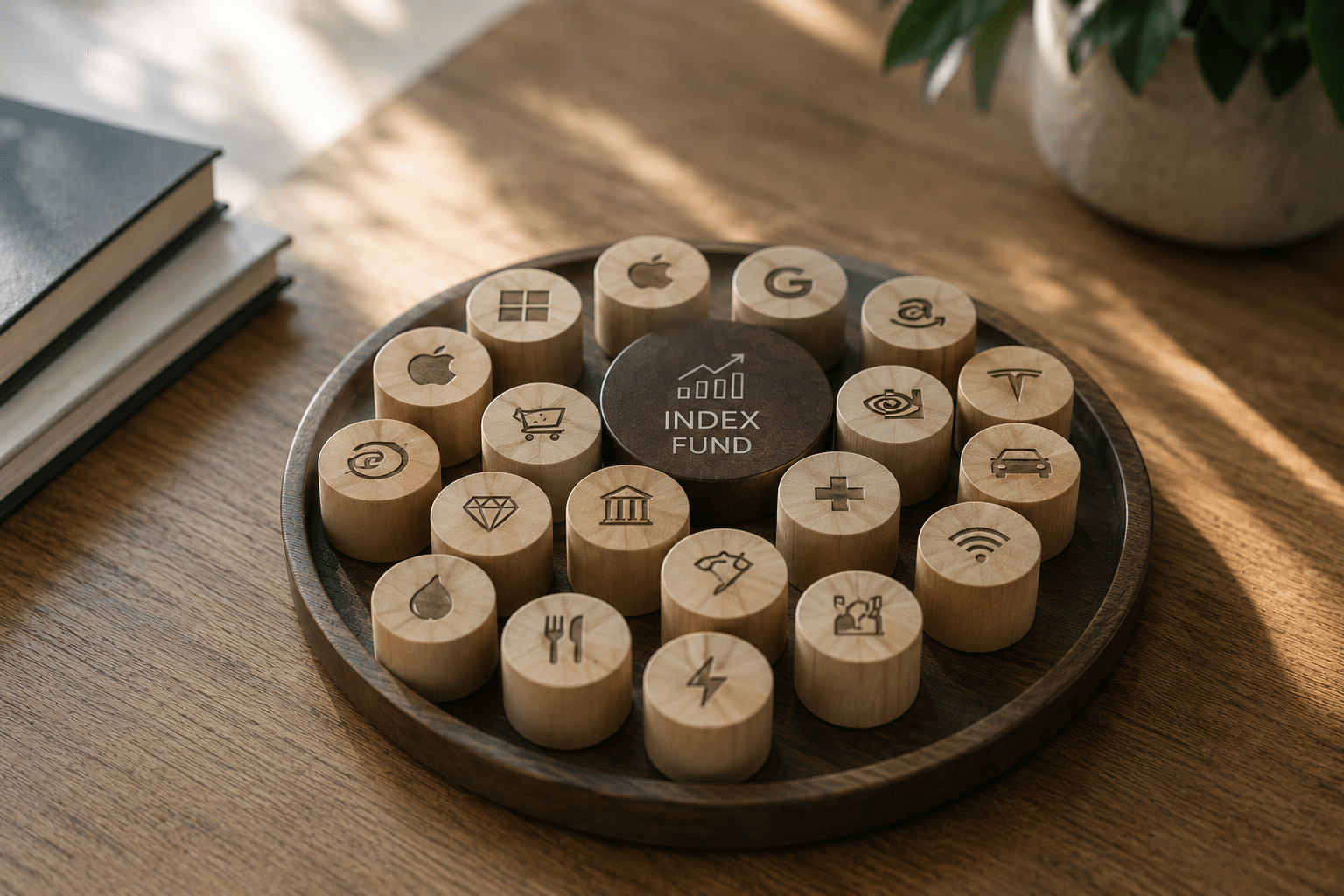
Index funds are investment funds designed to track the performance of a specific market index. Rather than trying to outperform the market by actively selecting shares, these funds simply replicate the holdings of an index.
Common examples in South Africa include fund tracking:
- Global indices such as the S&P 500 or MSCI World Index
Because there is no active fund manager making constant buy-and-sell decisions, index funds typically have lower management fees than actively managed funds.
How to Buy Index Funds in South Africa
Understanding how to buy index funds in South Africa is relatively simple. Open an investment account through a licensed provider, choose an index fund or ETF that matches your investment goals, and invest either a lump sum or regular monthly contributions. If you’re unsure how to buy index funds in South Africa, professional investment advice can help you build a diversified portfolio aligned with your long-term financial objectives.
Why Have Index Funds Become So Popular?
Low Investment CostsOne of the biggest advantages of index funds South African investors enjoy is their affordability. Lower fees mean more of your money remains invested and can benefit from compound growth over time. Even small differences in annual fees can have a significant impact on returns over a 10-, 20-, or 30-year investment horizon. |
Broad DiversificationBuying individual shares can expose investors to company-specific risks. Index funds spread your investment across dozens or even hundreds of companies, reducing the impact of poor performance from any single stock. This diversification makes them one of the best investment options for investors seeking long-term stability. |
Simplicity for InvestorsIndex funds remove much of the complexity associated with stock picking. Investors do not need to spend hours researching companies or trying to predict market movements. For many South Africans, this simplicity makes index funds among the best investment options available. |
Explore Wealth Management & Financial Consultancy Services.
Are Index Funds Still Effective in Today’s Market?
Markets Continue to Grow Over Time
While markets experience short-term fluctuations, history shows that diversified equity markets tend to grow over the long term.
South African investors who remain invested through market cycles often benefit from economic growth, corporate earnings expansion, and compound growth, where returns can generate further returns over time. This compounding effect can make long-term consistency more powerful than trying to time short-term market movements.
The Rise of Growth Investing
Some investors question whether passive investing can compete with modern growth investing strategies focused on high-performing companies or sectors.
While growth-focused investments can generate impressive returns, they also carry higher risks. Index funds offer exposure to growth companies while maintaining diversification across the broader market.
For investors who value consistency and risk management, index funds continue to play a crucial role in long-term investing strategies.
The Potential Drawbacks of Index Funds
Although index funds offer many advantages, they are not perfect.
Limited Opportunity to OutperformBecause index funds aim to match the market rather than beat it, investors will never significantly outperform the index they track. Active fund managers may occasionally generate higher returns, although research consistently shows that many struggle to do so consistently over long periods after fees. |
Exposure to Market DownturnsIndex funds participate fully in market declines as well as market gains. During periods of economic stress, investors may experience temporary losses. This highlights the importance of proper investment planning and maintaining a long-term perspective. |
One Size Does Not Fit AllEvery investor has different goals, risk tolerances, and timelines. While index funds can form a strong foundation, they may not be the only investment solution required. Professional wealth management advice can help investors determine how index funds fit within a diversified strategy. |

How Index Funds Fit into a Long-Term Investment Portfolio
For many investors, index funds serve as the core of an investment portfolio.
A balanced portfolio may combine:
- South African equity index funds
- Global index funds
- Fixed-income investments
- Property investments
- Cash reserves
This diversified approach helps manage risk while pursuing long-term growth objectives.
Investors focused on building long-term wealth often benefit from consistently contributing to index funds over many years rather than attempting to time the market.
Are Index Funds Right for You?
Index funds may be suitable if you:
- Want a low-cost investment solution
- Prefer a hands-off approach
- Are investing for the long term
- Value diversification
- Want exposure to both local and global markets
However, your ideal strategy should always align with your financial goals, risk appetite, and broader financial plan.
Working with a qualified financial adviser can help ensure your investment choices support your long-term objectives.
Can Index Funds Still Deliver Strong Long-Term Returns in South Africa?
For investors seeking simplicity, diversification, and cost-effective market exposure, index funds in South Africa remain one of the strongest long-term investment choices available. While no investment is risk-free, index funds continue to provide an accessible and proven pathway to building long-term wealth.
The key is not trying to predict short-term market movements but developing a disciplined strategy supported by sound investment planning and regular contributions over time.
If you’re exploring your options and want guidance on creating a diversified investment strategy tailored to your goals, speak to the Firebird team today.
Professional advice can help you make informed decisions and build a financial future with confidence.
FAQs
What are the best index funds in South Africa?
Popular options include funds tracking the FTSE/JSE Top 40, FTSE/JSE All Share Index, and global indices such as the S&P 500. The right choice depends on your investment goals and risk profile.
Are index funds safer than individual shares?
Index funds are generally considered less risky because they provide diversification across multiple companies rather than relying on the performance of a single share.
How much should I invest in index funds?
The amount depends on your income, goals, and overall financial plan. Consistent contributions often matter more than starting with a large amount.
Can index funds help build long-term wealth?
Yes. Through diversification, lower costs, and compound growth, index funds have historically been effective tools for building wealth over long investment periods.
Should index funds be my only investment?
Not necessarily. Many investors use index funds as a core holding while incorporating other assets to create a diversified portfolio.