
Key Takeaways:
- Start saving early and consistently to maximise compound growth and reduce retirement shortfalls.
- Aim to replace 70% to 80% of your income in retirement for long-term financial security.
- Your retirement target depends on lifestyle, inflation, healthcare costs, and retirement age.
- Saving 15% to 20% of your income can significantly improve your retirement outcome.
- Retirement planning requires both wealth accumulation and a sustainable income strategy.
- Professional financial advice can help you avoid costly retirement planning mistakes.
Retirement in South Africa: How Much Is Enough?
Retirement is one of the most important financial milestones in life, yet many South Africans are unsure whether they are saving enough. Between rising living costs, increasing life expectancy, inflation, and economic uncertainty, planning for retirement in South Africa requires more than simply contributing to a retirement fund and hoping for the best.
The reality is that there is no one-size-fits-all answer. The amount you need depends on your lifestyle goals, retirement age, expected expenses, and the type of retirement income you want to enjoy. However, understanding the key principles behind retirement savings can help you build a realistic and sustainable plan for the future.
In this guide, we explore how much you should save, the factors that influence your retirement needs, and practical steps to strengthen your long-term financial security.

How Much Do I Need to Retire?
One of the most common questions financial advisers hear is, “How much do I need to retire?”
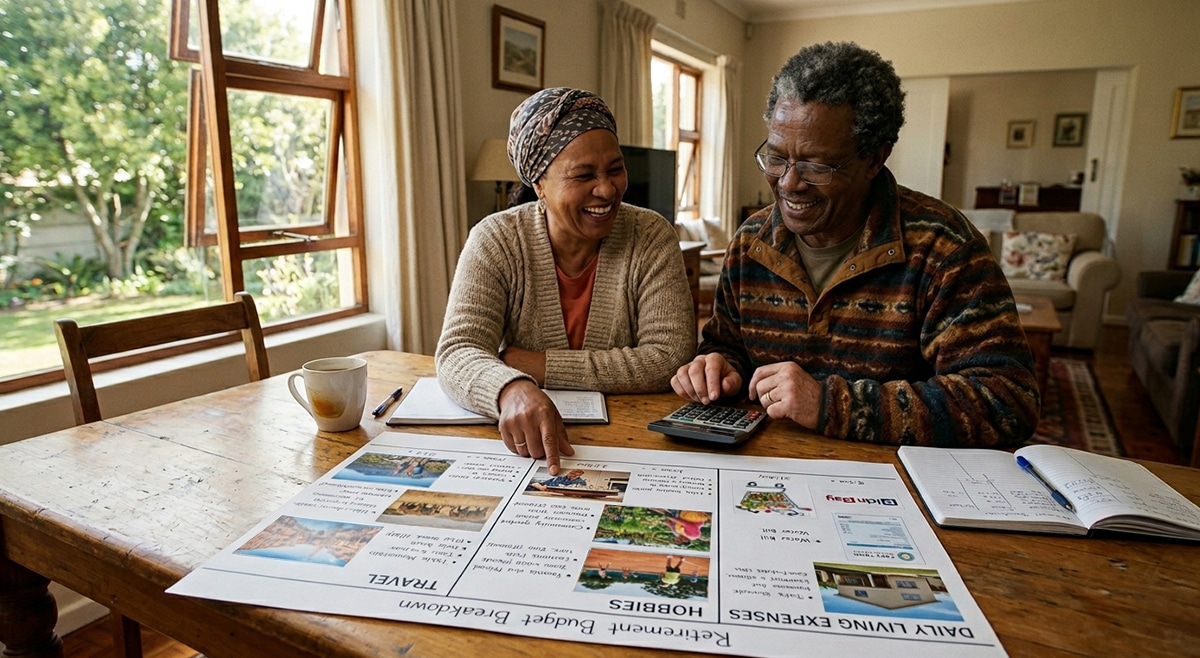
A useful rule of thumb is to aim for a retirement fund that can generate approximately 70% to 80% of your final annual income.
For example:
- If you earn R30,000 per month before retirement, you may need a retirement income of around R21,000 to R24,000 per month.
- To achieve this, you could require retirement savings of approximately R5 million to R6 million, depending on your investment returns and withdrawal strategy.
However, your actual target will depend on several factors.
Factors That Affect Your Retirement Goal
Your Retirement AgeThe earlier you retire, the more savings you will need. Someone retiring at 55 will likely need significantly more capital than someone retiring at 65 because their savings must last longer. |
Lifestyle ExpectationsDo you plan to travel extensively, downsize your home, or maintain your current lifestyle? Your expected expenses will influence how much retirement income you need. |
InflationInflation gradually reduces purchasing power over time. A retirement plan must account for future price increases to ensure your savings remain sufficient throughout retirement. |
Healthcare CostsMedical expenses often increase with age. Comprehensive financial wealth management should include provisions for healthcare, long-term care, and unexpected medical costs. |
How Much Should You Be Saving Each Month?
Financial planners commonly recommend saving between 15% and 20% of your gross monthly income towards retirement throughout your working career. Starting early allows compound growth to work in your favour, reducing the amount you need to contribute later.
Consider the difference:
Starting at Age 25If you consistently save 15% of your income from age 25, you may be able to replace around 75% of your income at retirement. |
Starting at Age 40If you delay saving until age 40, you may need to contribute significantly more each month to achieve the same retirement outcome. |
The lesson is simple: the earlier you start, the easier retirement planning becomes.
Planning Your Retirement Income
Accumulating savings is only one part of retirement planning. Equally important is deciding how you will generate income once you retire.
South African retirement legislation generally requires a portion of retirement savings to be used to purchase an annuity that provides retirement income.
What Is a Living Annuity?
A living annuity allows you to invest your retirement capital and draw an income from those investments during retirement.
Benefits of a living annuity include:
- Flexibility to adjust your income annually
- Continued investment growth potential
- Ability to leave remaining capital to beneficiaries
However, poor withdrawal decisions can cause savings to run out too quickly. Managing drawdown rates carefully is a critical aspect of retirement income planning.
Life Annuity vs Living Annuity
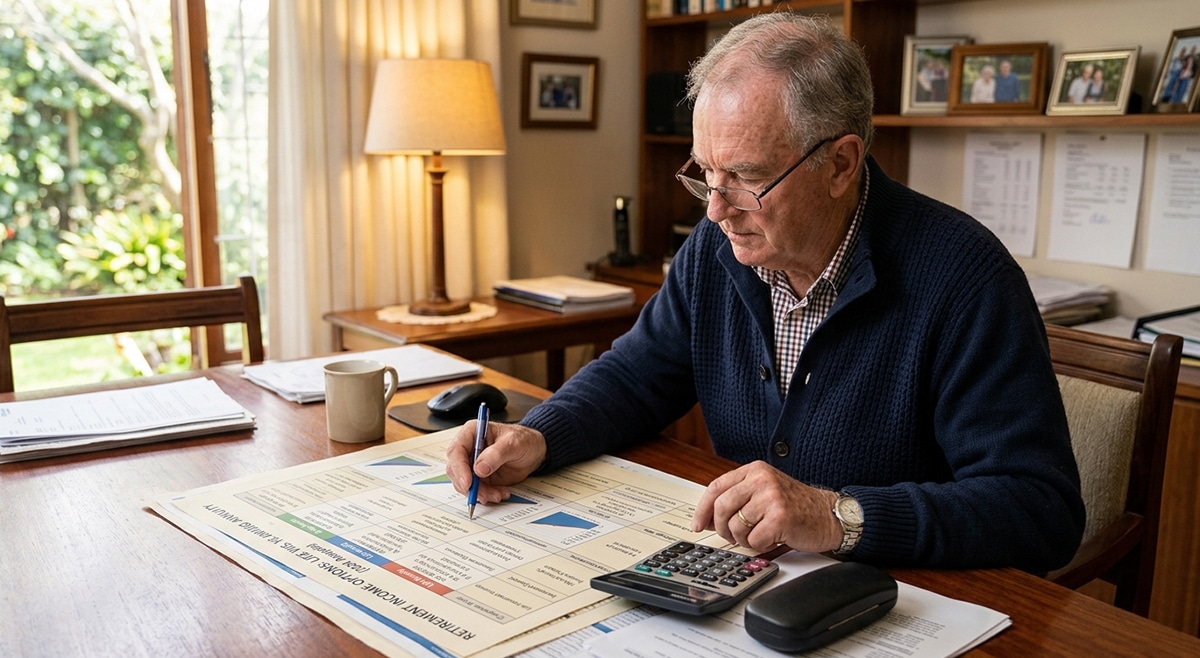
A life annuity provides guaranteed income for life, while a living annuity offers greater flexibility and investment control. Many retirees choose a combination of both depending on their income needs and risk tolerance.
Common Retirement Planning Mistakes to Avoid
Withdrawing Retirement Savings When Changing Jobs
Many South Africans cash out retirement funds when changing employers. While tempting, this can significantly reduce long-term retirement wealth.
Saving Too Little
Waiting until later in life to increase contributions often results in a substantial retirement shortfall.
Ignoring Inflation
A retirement plan that does not account for inflation may leave retirees with insufficient purchasing power in later years.
Failing to Seek Professional Advice
Retirement planning involves tax considerations, investment strategy, risk management, and estate planning. Professional guidance can help optimise outcomes and avoid costly mistakes.
Explore the post on Taxes in Retirement: What Most South Africans Forget.
Secure Your Financial Future Today
Building enough savings for retirement in South Africa requires discipline, consistency, and a well-structured plan. Whether you are just beginning your career or approaching retirement age, taking action today can make a significant difference to your future financial security.
A comprehensive retirement strategy should include regular contributions, careful investment management, tax-efficient planning, and a sustainable retirement income solution. By working with experienced financial professionals, you can develop a personalised roadmap that aligns with your goals and helps you retire with confidence.
If you’re ready to take control of your future, speak to Firebird’s financial experts and start building a retirement plan designed around your unique needs and long-term aspirations.
FAQs
How much do I need to retire comfortably in South Africa?
The amount varies depending on your lifestyle and income needs. Many financial experts suggest aiming for enough savings to replace 70% to 80% of your pre-retirement income.
What percentage of my salary should go towards retirement savings?
A common recommendation is to contribute between 15% and 20% of your gross income throughout your career.
Is a retirement annuity worth it?
Yes, a retirement annuity can provide valuable tax benefits, investment growth, and long-term retirement savings, particularly for self-employed individuals or those wanting to supplement employer-sponsored funds.
What is the difference between a retirement fund and a living annuity?
A retirement fund helps you accumulate savings during your working years. A living annuity is an income-generating product used after retirement to provide ongoing retirement income.
When should I start planning for retirement?
The best time to start is as early as possible. Starting young allows compound growth to significantly increase your retirement savings over time.